
Best Time to Visit Sundarbans

Kawsar Ahmed
July 26, 2026
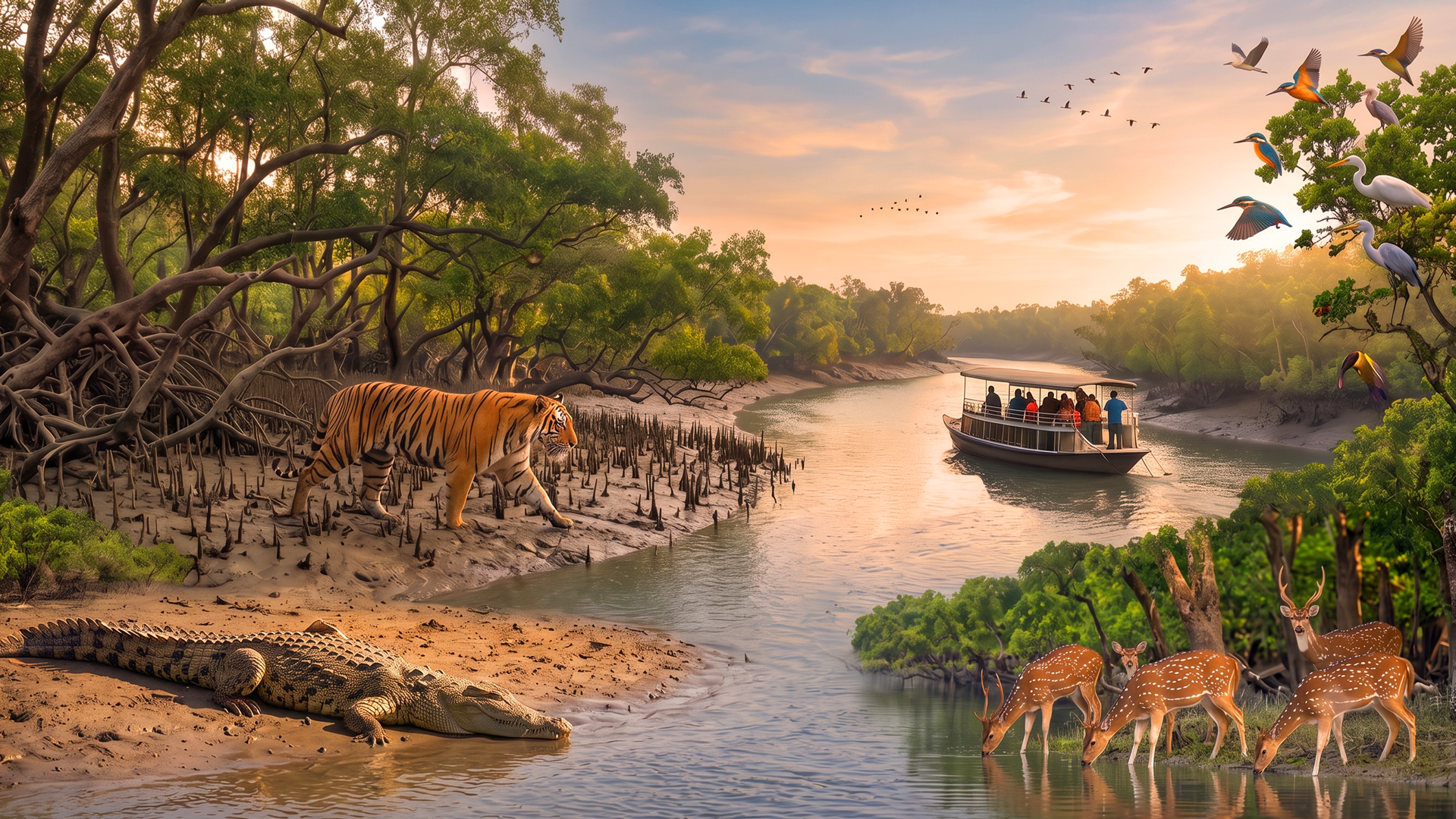
The Sundarbans, the world’s largest mangrove forest and a UNESCO World Heritage Site, is one of Bangladesh’s most iconic travel destinations. Spanning rivers, creeks, and dense forests, it is home to the elusive Royal Bengal Tiger, saltwater crocodiles, spotted deer, and hundreds of bird species. For nature lovers, photographers, and adventurers, the Sundarbans offers a rare chance to experience raw wilderness and unique biodiversity.
Timing, however, is everything. The forest’s climate and conditions change dramatically with the seasons, influencing not only the ease of travel but also the chances of spotting wildlife. From cool winter mornings perfect for boat safaris to the lush greenery of the monsoon season, each time of year offers a different perspective of the Sundarbans.
In this guide, we’ll explore the best seasons to visit, highlight wildlife spotting opportunities, and share practical travel tips to help you plan a safe and memorable journey into this natural wonder.
Discover the Sundarbans, where rivers whisper, forests breathe, and every season tells a different story.
Seasonal Breakdown
The Sundarbans offers a different experience in every season. Understanding the climate and conditions will help you choose the best time for your journey.
Winter (November–February)
- Weather: Cool and pleasant, with temperatures ranging between 12°C and 20°C.
- Activities: Ideal for boat safaris, wildlife spotting, and photography. Migratory birds flock to the forest during this season, making it a paradise for birdwatchers.
- Why Visit: This is the most popular and comfortable season, offering the best chance to explore without heat or heavy rain.
Summer (March–May)
- Weather: Hot and humid, with temperatures often exceeding 30°C.
- Activities: Fewer tourists mean quieter experiences, but long treks and boat rides can be tiring.
- Why Visit: Good for travelers who prefer solitude and don’t mind the heat. Wildlife spotting is still possible, though less comfortable.
Monsoon (June–September)
- Weather: Heavy rainfall, flooding, and strong river currents.
- Activities: Limited due to safety concerns; boat rides are often restricted. The forest, however, is lush and vibrant during this time.
- Why Avoid: Travel becomes risky, with slippery paths and unpredictable weather. Best suited for researchers or those seeking the raw beauty of the monsoon, but not recommended for casual tourists.
Wildlife & Activities
The Sundarbans is a living sanctuary where every season brings different encounters with nature. Planning your visit around wildlife activity ensures a richer experience.
Royal Bengal Tiger
- The Sundarbans is the only mangrove habitat of the Royal Bengal Tiger.
- Winter months (November–February) offer the best chance of spotting tigers, as they are more active during cooler weather.
- Guided boat safaris and watchtowers increase the likelihood of sightings, though patience is key.
Crocodiles & Aquatic Life
- Saltwater crocodiles are often seen basking along riverbanks.
- Dolphins, mudskippers, and diverse fish species thrive in the waterways.
- Boat rides during calm winter mornings provide excellent opportunities to observe aquatic life.
Spotted Deer & Other Mammals
- Herds of spotted deer roam freely in forest clearings.
- Wild boars, monkeys, and otters are also commonly spotted.
- Early morning and late afternoon safaris are best for viewing mammals.
Birdwatching
- Winter is peak season for migratory birds, including kingfishers, herons, and eagles.
- Birdwatchers can enjoy sightings along rivers and forest edges.
- Monsoon brings lush greenery, but bird activity is less predictable.
Eco-Tour Activities
- Boat Safaris: The most popular way to explore, offering close views of rivers, creeks, and wildlife.
- Village Visits: Interactions with local communities provide cultural insights.
- Forest Walks: Guided treks allow visitors to experience the mangrove ecosystem up close.
Travel Tips
A journey into the Sundarbans requires preparation, as the forest’s remote location and unique ecosystem demand careful planning. Here are some essential tips to make your trip safe and enjoyable:
Essentials to Pack
- Clothing: Light cotton outfits for daytime, with long sleeves to protect against insects.
- Footwear: Comfortable walking shoes or sandals suitable for boat rides and forest treks.
- Protection: Sunscreen, hats, sunglasses, and insect repellent are must-haves.
- Waterproof Gear: Carry raincoats or waterproof bags, especially if visiting during monsoon.
Guided Tours
- Always book tours with licensed guides and operators for safety.
- Guided boat safaris provide better chances of spotting wildlife and ensure compliance with forest rules.
- Avoid venturing alone into restricted areas.
Safety Precautions
- Maintain silence during safaris to avoid disturbing wildlife.
- Follow instructions from forest guards and guides at all times.
- Keep a safe distance from animals, especially crocodiles and tigers.
Eco-Friendly Practices
- Do not litter; carry waste back to town for disposal.
- Avoid using plastic bags and bottles inside the forest.
- Respect the ecosystem by minimizing noise and leaving no trace behind.
Health & Connectivity
- Medical facilities are limited, so carry basic medicines and a first-aid kit.
- Mobile networks may be weak or unavailable deep inside the forest.
- Inform family or friends of your travel plans before departure.
Risks & Considerations
While the Sundarbans is a breathtaking destination, travelers should be mindful of certain challenges to ensure a safe and rewarding trip.
Weather Unpredictability
- Monsoon rains (June–September) can cause flooding, strong currents, and restricted boat travel.
- Sudden storms may disrupt safaris and limit access to certain areas.
- Always check forecasts and avoid risky travel during peak monsoon.
Boat & River Safety
- Most exploration is done by boat, so safety precautions are essential.
- Strong currents and narrow creeks can be dangerous without experienced guides.
- Life jackets and licensed operators are a must for all safaris.
Limited Facilities
- Medical services inside the forest are minimal. Carry a first-aid kit and necessary medicines.
- Mobile networks are weak or unavailable deep in the forest.
- Food and water options are limited, so plan ahead with essentials.
Wildlife Encounters
- The Sundarbans is home to tigers, crocodiles, and snakes.
- Maintain silence, follow guide instructions, and never attempt to approach animals.
- Respect the ecosystem by observing from a safe distance.
Cultural Sensitivity
- Local communities live around the forest and depend on it for livelihood.
- Be respectful when visiting villages, avoid littering, and support local artisans responsibly.
Conclusion
The Sundarbans is not just a forest; it’s a living, breathing ecosystem where rivers, mangroves, and wildlife coexist in harmony. Choosing the right season is key to experiencing its true magic. Winter (November–February) stands out as the best time to visit, offering pleasant weather, safe boat rides, and excellent opportunities for spotting tigers, crocodiles, deer, and migratory birds.
While summer and monsoon reveal different sides of the forest, from solitude to lush greenery, they also bring challenges like heat, humidity, and unpredictable storms. With careful planning, guided tours, and respect for nature, every journey into the Sundarbans can be unforgettable.
Plan your Sundarbans adventure today with gokawsar, where the forest whispers, the rivers flow, and every sunrise unveils a new story of the wild.